
Fire and Smoke Inhalation Injuries After Accidents
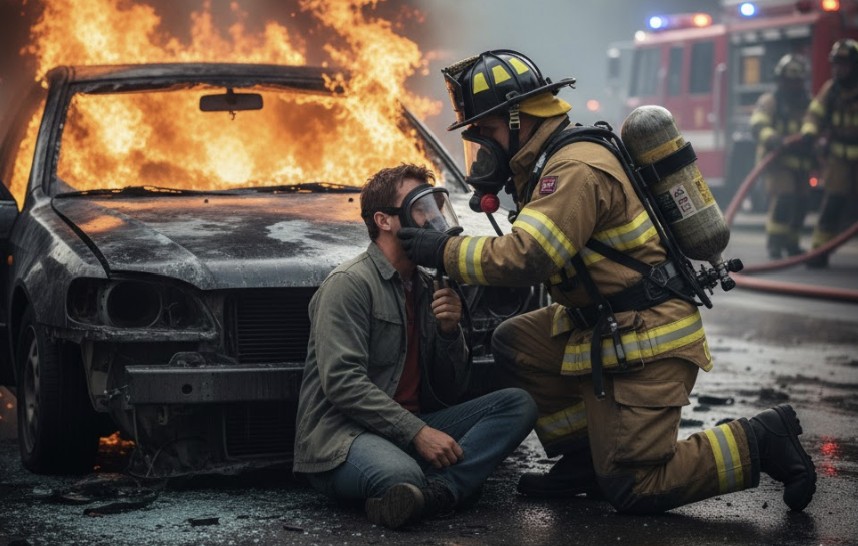
Fire and smoke inhalation injuries are among the most dangerous and often overlooked injuries following serious accidents. While visible burn injury may be obvious, damage to the respiratory system caused by smoke inhalation can be severe, delayed, and sometimes fatal. Victims may suffer lung injury, respiratory failure, or long-term breathing problems even when external burns appear minor.
At Harker Injury Law, our personal injury lawyers represent individuals who suffer smoke inhalation and other related injuries after car accidents, house fires, workplace incidents, and other fire-related events throughout California.
What Is Smoke Inhalation?
Smoke inhalation occurs when a person breathes in smoke, toxic gases, and other harmful substances produced during a fire. Smoke is a complex mixture of heated air, carbon monoxide, carbon dioxide, particulate matter, and chemicals released from burning materials.
Smoke inhalation injury is often more dangerous than direct thermal injury because it affects the lungs, airways, and oxygen delivery throughout the body.
How Smoke Inhalation Injuries Occur After Accidents
Smoke inhalation commonly occurs in accidents involving:
- Car accidents followed by vehicle fires
- House fires caused by faulty wiring or poor maintenance
- Industrial or occupational exposure incidents
- Fires involving burning materials such as plastics, furniture, or chemicals
Even short exposure can cause severe injury, especially in enclosed spaces where smoke accumulates quickly.
Types of Smoke Inhalation Injury
Smoke inhalation damage can occur in various forms, often simultaneously.
Upper Airway Injury
The upper airway includes the nasal passages, vocal cords, and throat. Heat and smoke can cause:
- Airway edema
- Inflammation of mucous membranes
- Airway obstruction
Facial burns, singed hair, and carbonaceous material around the mouth may indicate upper airway injury.
Lower Respiratory Tract Injury
The lower respiratory tract includes the bronchi and lungs. Injury may involve:
- Chemical irritation
- Increased mucus production
- Bronchiolitis obliterans
- Parenchymal injury and parenchymal damage
These injuries interfere with oxygen exchange and can progress over time.
Chemical Asphyxiation
Smoke often contains toxic substances such as:
- Carbon monoxide
- Hydrogen cyanide
- Sulfur dioxide
- Nitrogen dioxide
- Hydrogen chloride
- Nitric oxide
Chemical asphyxiation prevents oxygen from reaching tissues, even when breathing appears normal.
Carbon Monoxide and Cyanide Poisoning
Carbon monoxide is a leading cause of death in fires. It binds to hemoglobin, preventing oxygen delivery to organs and the brain. High levels can cause severe headache, chest pain, confusion, loss of consciousness, and death.
Cyanide poisoning, often from burning plastics, can rapidly lead to respiratory failure, severe brain damage, or cardiac arrest.
Symptoms of Smoke Inhalation
Symptoms of smoke inhalation may appear immediately or be delayed. Common symptoms include:
- Breathing problems
- Persistent coughing
- Chest pain
- Hoarseness or voice changes
- Severe headache
- Confusion or dizziness
- Nausea
- Shortness of breath
Delayed symptoms can occur hours or days later as inflammation and pulmonary edema develop.
Physical Examination and Diagnosis
Medical providers rely on physical examination findings and diagnostic testing, which may include:
- Pulse oximetry
- Blood tests to detect carbon monoxide or cyanide
- Chest imaging
- Bronchoscopy to assess airway injury
Patients exposed to smoke are often monitored closely because delayed respiratory failure can occur.
Acute and Long-Term Health Effects
Smoke inhalation injuries can lead to both immediate and long-term consequences.
Short-Term Complications
- Acute lung injury
- Respiratory failure
- Airway obstruction
- Pulmonary edema
Long-Term Effects
- Chronic obstructive pulmonary disease
- Asthma
- Reactive airway disease
- Reduced lung capacity
- Long-term breathing problems
Some victims experience permanent lung injury that affects daily life and employment.
Treatment for Smoke Inhalation Injuries
Treatment depends on severity and may include:
- Supplemental oxygen
- Mechanical ventilation
- Hyperbaric oxygen therapy for carbon monoxide exposure
- Medications to reduce inflammation
- Monitoring for delayed complications
Early treatment is strongly considered to reduce the risk of severe injury.
Smoke Inhalation Injuries in Car Accidents and Fires
Car accidents involving fire pose a high risk for smoke inhalation injury due to confined space and toxic gases released from vehicle materials. Even brief exposure can cause serious lung injury and chemical burns to the respiratory tract.
Liability in Fire and Smoke Inhalation Injury Cases
Smoke inhalation injuries may result from negligence, including:
- Faulty smoke detectors
- Poor building maintenance
- Defective vehicles
- Unsafe products or chemicals
- Negligent drivers causing vehicle fires
Determining liability is critical to pursuing compensation.
Compensation for Smoke Inhalation Injuries
Victims may be entitled to compensation for:
- Medical expenses
- Ongoing treatment and rehabilitation
- Lost income and reduced earning capacity
- Pain and suffering
- Long-term effects on quality of life
Each case depends on the severity of injuries and the circumstances of the fire or accident.
Why Legal Representation Matters
Smoke inhalation injuries are often underestimated and disputed by insurers. Delayed symptoms and long-term lung damage require thorough medical and legal documentation to protect victims’ rights.
Speak With a California Fire Injury Attorney
If you or a loved one suffered fire or smoke inhalation injuries after an accident, legal guidance is essential. These injuries can have lasting medical and financial consequences.
Harker Injury Law represents fire and accident victims throughout California. We work with medical experts to fully document smoke inhalation damage and pursue the compensation you deserve.
Call 760-INJURED today to schedule a free consultation with Harker Injury Law.