
Construction Zone Pedestrian Injuries and Liability
Construction zones are a regular part of life throughout the San Diego area, particularly near busy streets, commercial corridors, and infrastructure projects. While these zones are intended to improve safety and transportation, they often create dangerous conditions for pedestrians. Harker Injury Law represents individuals who have suffered injuries in construction zone accidents, including pedestrians hurt while walking near active construction sites.
Understanding construction zone pedestrian injuries and liability is essential after an accident, especially when multiple parties may be involved and fault is disputed by an insurance company.
Why Construction Zones Are Dangerous for Pedestrians
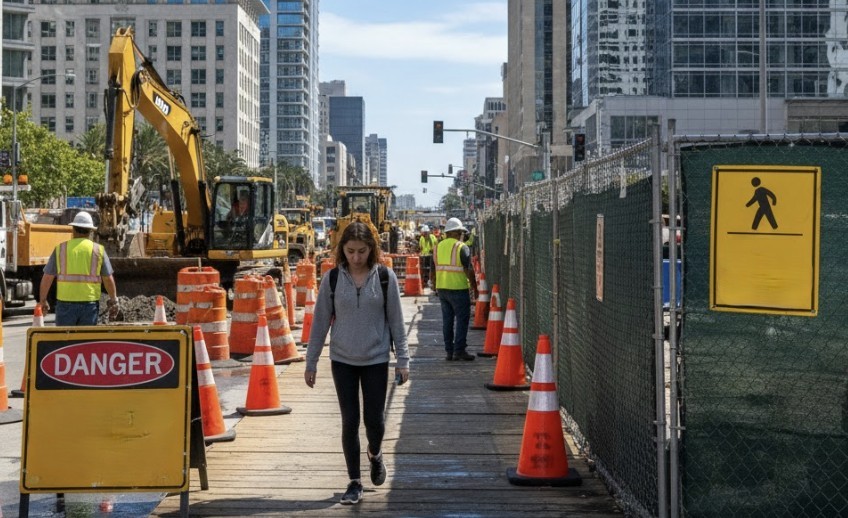
Construction zones frequently alter normal traffic and pedestrian flow. Sidewalk closures, narrowed walkways, and temporary detours can place pedestrians close to moving vehicles and heavy equipment.
Common hazards in construction zones include:
- Missing or unclear warning signs
- Improper signage directing pedestrians into unsafe areas
- Loose gravel or uneven surfaces
- Falling debris or falling objects
- Construction equipment encroaching into pedestrian paths
When proper safety measures are not followed, pedestrians face an increased risk of serious injury.
Common Pedestrian Injuries in Construction Zones
Pedestrian construction accidents often result in severe injuries due to the size and weight of construction vehicles and equipment.
Common injuries include:
- Traumatic brain injuries
- Broken bones and fractures
- Spinal cord injuries
- Internal injuries
- Catastrophic injuries with long-term consequences
Many injured pedestrians require extensive medical attention and face costly medical bills, rehabilitation, and time away from work.
How Construction Zone Accidents Differ From Other Accidents
Unlike typical car accidents, a construction zone accident often involves hazardous site conditions rather than ordinary traffic errors. Pedestrians may be injured by construction vehicles, heavy machinery, falling debris, or unsafe walking surfaces.
Because construction zones are regulated environments, liability often depends on whether required safety precautions and safety standards were followed.
Determining Liability in Construction Zone Pedestrian Injuries
Determining liability in construction zone accidents can be complex. Responsibility may fall on one party or be shared among several parties depending on the unique circumstances of the accident.
Potentially liable parties may include:
- A construction company
- A general contractor or subcontractor
- Property owners
- Equipment manufacturers
- Operators of construction vehicles
Identifying liable parties early is critical to building a strong personal injury claim.
Construction Companies and Contractor Responsibility
Construction companies and general contractors have a legal duty to maintain reasonably safe construction zones for workers and the public.
This duty includes:
- Installing clear warning signs
- Maintaining safe pedestrian routes
- Securing construction equipment and materials
- Following applicable safety measures and regulations
Failure to meet these obligations can result in the construction company being held liable for pedestrian injuries.
When Property Owners May Be Held Liable
Property owners may also share liability if they:
- Knew about unsafe conditions
- Failed to correct known hazards
- Retained control over the construction site
In many construction site accident cases, more than one party may share liability.
Construction Vehicles and Work Zone Crashes
Construction vehicles and heavy machinery frequently move through work zones and nearby streets. When drivers or operators fail to follow safety precautions, pedestrians can be seriously injured.
Work zone crashes may involve:
- Construction trucks
- Heavy machinery
- Motor carriers passing through the work zone
- Passenger vehicles redirected into pedestrian areas
Each party’s role must be examined to establish fault.
Proving Liability in a Construction Zone Accident
Proving liability requires careful investigation and evidence preservation.
Important evidence may include:
- A police report
- Witness statements
- Photographs or video of the construction site
- Evidence of improper signage or missing warning signs
- Records showing safety violations
Preserve evidence as soon as possible, as construction zones change quickly once work continues.
The Role of Safety Standards in Construction Zone Cases
Construction zones must comply with safety standards designed to protect both workers and pedestrians. Violations of these standards can be strong evidence in a personal injury lawsuit.
Examples include:
- Inadequate pedestrian barriers
- Poorly marked detours
- Failure to secure falling debris
- Unsafe placement of construction equipment
Ignoring safety standards increases the likelihood that parties responsible will be held accountable.
What To Do After a Construction Zone Pedestrian Accident
If you are injured in a construction zone, taking the right steps can protect both your health and your legal rights.
You should:
- Seek medical attention immediately
- Report the accident and obtain a police report
- Gather witness statements if possible
- Document the scene and any warning signs
- Follow medical advice and keep records
Prompt medical attention helps link your injuries to the accident and supports your claim.
Medical Expenses and Long-Term Impact
Construction zone injuries often lead to significant medical expenses, including emergency care, surgery, rehabilitation, and ongoing treatment.
Injured pedestrians may also experience:
- Lost wages
- Reduced earning capacity
- Non-economic damages such as pain and suffering
Recovering full compensation requires a thorough understanding of both short-term and long-term losses.
Compensation Available in Construction Zone Injury Claims
A successful personal injury claim may allow injured pedestrians to recover compensation for:
- Medical expenses
- Costly medical bills
- Lost income
- Pain and suffering
- Long-term care needs
An experienced personal injury attorney can help ensure all damages are properly calculated.
Dealing With the Insurance Company
Insurance companies representing construction companies or property owners often attempt to minimize payouts or deny liability.
They may argue:
- The pedestrian was at fault
- Warning signs were adequate
- Another party was responsible
Strong legal representation is critical to counter these tactics and pursue fair compensation.
Shared Fault and Multiple Parties
Construction zone accidents often involve multiple parties who may share liability. California law allows injured pedestrians to seek compensation even when fault is divided among several parties.
Accurately identifying liability and fault allocation is essential to recovering full compensation.
Construction Zone Accidents in the San Diego Area
With ongoing development throughout the San Diego area—including neighborhoods such as National City—pedestrians are frequently exposed to active construction zones. These cases require careful analysis of safety obligations and responsibility among multiple parties.
Why Legal Representation Matters
Construction zone pedestrian injury cases are complex and evidence-driven. A skilled legal team can:
- Identify liable parties
- Establish and prove liability
- Navigate the legal process
- Seek compensation from all parties responsible
Effective legal representation significantly improves the chances of a favorable outcome.
Speak With Harker Injury Law About Your Construction Zone Injury
If you were injured in a construction zone pedestrian accident in the San Diego area, you may be entitled to compensation. Harker Injury Law provides experienced personal injury representation focused on holding negligent parties accountable and pursuing full compensation for injured clients.
We handle cases on a contingency fee basis, meaning you pay nothing unless we recover compensation for you. Call Harker Injury Law today at 760-INJURED for a free consultation and learn how we can help protect your rights.