
What to Do After an Accident Involving a Government Vehicle
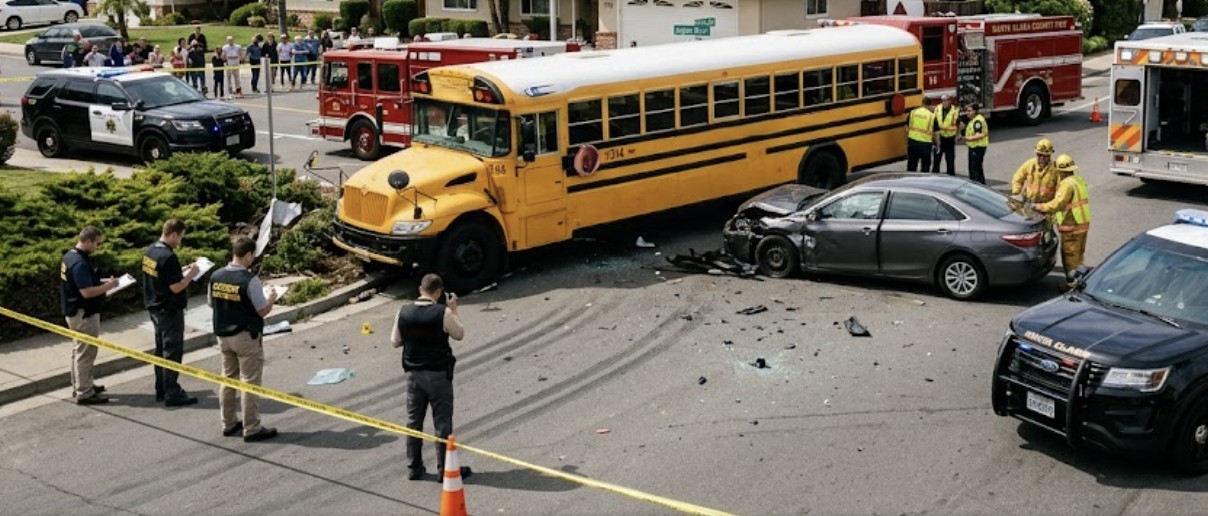
Harker Injury Law is proud to serve California injury victims with compassionate, experienced personal injury representation after serious accidents, including crashes involving government vehicles. These cases can involve city trucks, county vehicles, public buses, police vehicles, fire department vehicles, school district vehicles, Caltrans vehicles, or other public agency vehicles.
An accident involving a government vehicle can feel confusing. You may not know whether to call an insurance company, the city, the county, the state, or another agency. You may also face shorter deadlines than a standard personal injury claim.
If you were injured in a government vehicle accident, the most important step is to act quickly and get legal guidance before evidence and deadlines become a problem.
Why Are Government Vehicle Accident Claims Different?
A standard car accident claim usually starts with an insurance claim against the at-fault driver. A government vehicle accident may require a formal claim against the correct public entity before a lawsuit can be filed.
California Courts explains that to sue a government agency, a person must meet multiple deadlines and will typically need to send a claim within six months or one year of the date the issue happened. If the claim is denied, the person may have six months to sue.
That makes these cases time-sensitive. The issue is not only whether the government driver caused the crash. The injured person must also follow the correct claim process.
Common government vehicles may include:
- City Vehicles: Public works trucks, code enforcement vehicles, or local agency cars.
- County Vehicles: Maintenance trucks, sheriff vehicles, or county service vehicles.
- State Vehicles: Caltrans vehicles or other state-owned vehicles.
- Transit Vehicles: Public buses, shuttle vehicles, or transit authority vehicles.
- School District Vehicles: School buses or district maintenance vehicles.
If a public vehicle was involved in your accident, contact Harker Injury Law now. Your recovery starts with one call.
What Should You Do Immediately After the Accident?
Your first priority is safety. Call 911 if anyone is hurt or if the scene is dangerous. Government vehicle accidents may involve busy roads, intersections, highways, school zones, or construction areas, so staying safe matters.
If you can, take these steps:
- Get Medical Help: Even if you feel “okay,” symptoms can worsen later.
- Call Law Enforcement: A report can help document what happened.
- Get Vehicle Details: Write down the agency name, vehicle number, plate number, and driver information.
- Take Photos: Capture vehicle damage, injuries, road conditions, signs, lane markings, and debris.
- Identify Witnesses: Get names and phone numbers from anyone who saw the crash.
- Avoid Detailed Statements: Do not guess about fault or minimize your injuries.
- Save Everything: Keep medical records, bills, repair estimates, and agency letters.
Harker Injury Law can help you determine which public entity may be involved and what claim steps may be required.
Who May Be Responsible for a Government Vehicle Accident?
Responsibility depends on who owned the vehicle, who employed the driver, and what the driver was doing at the time. A city employee driving during work may create a different claim path than a private contractor working near a public project.
Potentially responsible parties may include:
- A city government
- A county agency
- A state agency
- A public school district
- A transit authority
- A public employee
- A private contractor
- Another negligent driver
For example, if a city truck rear-ends a driver near a local intersection, the city may be involved. If a public bus hits a pedestrian, the transit agency may be involved. If a roadwork vehicle causes a crash near I-15, the responsible party may depend on whether the vehicle belonged to a public entity or contractor.
Government cases require careful identification of the correct agency. Filing with the wrong entity or missing a deadline can create serious problems.
How Long Do You Have to File a Claim?
Deadlines are one of the biggest differences between government vehicle accident cases and ordinary personal injury claims. In many California personal injury cases, the general deadline to file a lawsuit is two years from the injury date. California Courts lists personal injury claims as commonly having a two-year deadline from the injury.
Government claims are different. California Courts explains that claims against government agencies usually require sending in a claim within six months or one year depending on the issue, and if the agency denies the claim, a later deadline to sue may apply.
Because a government vehicle accident may involve injury, property damage, public employees, and multiple entities, you should not assume the ordinary two-year deadline is enough. Talk to a lawyer quickly.
Don’t wait. Reach out to Harker Injury Law with your questions. We’re here to help you understand the next step.
What Evidence Matters in a Government Vehicle Accident?
Evidence can be more complicated when a public agency is involved. There may be vehicle logs, driver schedules, maintenance records, radio communications, agency policies, surveillance video, traffic camera footage, or construction records.
Important evidence may include:
- Accident Reports: Police reports, agency reports, or incident logs.
- Photos and Video: Dashcam footage, traffic cameras, business surveillance, and scene photos.
- Vehicle Information: Unit number, license plate, agency markings, and maintenance history.
- Driver Information: Employment status, route, assignment, and training.
- Witness Statements: Other drivers, pedestrians, passengers, or nearby workers.
- Medical Records: Treatment records linking injuries to the crash.
- Road Conditions: Work zones, visibility, signage, or unsafe traffic control.
Harker Injury Law understands that families are often dealing with pain, transportation problems, missed work, and medical appointments. Our team helps organize the investigation so clients do not have to manage everything alone.
What If the Government Agency Denies Responsibility?
A government agency may deny responsibility, dispute the severity of injuries, blame another driver, argue the employee was not at fault, or claim the injured person contributed to the crash.
California civil cases can involve comparative fault. The Judicial Council of California Civil Jury Instructions include comparative fault guidance for jurors to consider whether a plaintiff’s own negligence contributed to harm.
This can matter after government vehicle crashes because multiple parties may share responsibility. For example, one driver may have been speeding while a public vehicle made an unsafe turn. A pedestrian accident may involve driver conduct, lighting, crosswalk placement, and visibility.
Harker Injury Law helps clients respond to these arguments with evidence, not guesswork.
When Should You Call a Lawyer After a Government Vehicle Accident?
You should call as soon as possible. These claims can be deadline-heavy and document-heavy. Early legal help may protect your right to bring a claim and preserve evidence before it disappears.
A lawyer can help by:
- Identifying the correct public entity
- Reviewing the accident facts
- Preserving video and records
- Communicating with agencies and insurers
- Tracking claim deadlines
- Documenting injuries and losses
- Preparing for negotiation or litigation if needed
Government vehicle accident cases may involve car accidents, truck accidents, pedestrian accidents, bicycle accidents, motorcycle accidents, wrongful death, catastrophic injury, and insurance disputes. Harker Injury Law is ready to help families understand the process.
Call Harker Injury Law After a Government Vehicle Accident
Whether you are recovering at home or still searching for answers, Harker Injury Law is here to provide guidance, strength, and peace of mind. A crash involving a public vehicle can create stress, confusion, and strict deadlines, but you do not have to handle it alone.
Call Harker Injury Law today for a free consultation. Let’s talk about what happened, who may be responsible, and how we can help protect your recovery.